Hey there, this is Mia from the woven patches team, and I get at least one question a week that stops me mid-prep for a sample run—“Are woven patches waterproof?” It makes total sense, right? I’ve had customers ask for patches to slap on hiking backpacks, work jackets, dog collars, even those custom gym duffels that get dragged through rain, snow, and spilled protein shake slop. Most folks think “woven” = “breathable, fuzzy, only for decorative stuff,” but over the past 7 years I’ve been in this business, woven patches can do way more than just sit pretty on a uniform. Let’s break this down without the jargon, since I know half the people reading this are looking for a real answer, not a textbook definition. Woven Patches
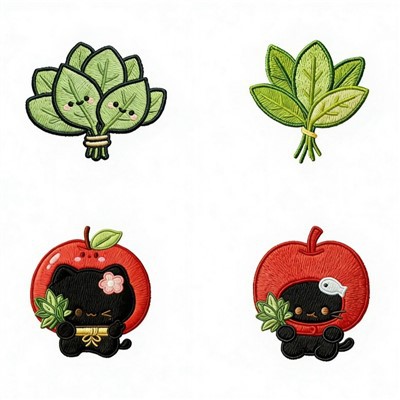
First, let’s start with what a basic woven patch is made of, because that’s where the waterproof question lives. The core of every woven patch I ship is 100% polyester thread. Wait, polyester? Yeah, that’s not a random pick—polyester is hydrophobic by nature. Hydrophobic means it hates water, doesn’t absorb it, right? Unlike cotton thread, which swells up when it gets wet and lets water seep through the gaps between fibers. Woven patches are made on high-accuracy jacquard looms, right? Those looms weave the thread tight, row after row, no gaps between the stitches that you can see with the naked eye. If you run your finger over a standard woven patch I make, it feels smooth, almost like a tiny piece of fabric, not fuzzy like an iron-on or embroidered patch with loose floss. That tight weave is key here. If you compare it to, say, a handwoven quilt square—wait, no, a bad handwoven square has gaps. Our jacquard looms have up to 16 shafts, so they’re weaving at a density that’s consistent, like 12,000 stitches per square inch. That’s way denser than most clothing fabric, actually.
But hold on, before you go slapping a woven patch on your new rain jacket and running through a puddle—there’s a catch. The base fabric! Most woven patches are attached to a base of twill, felt, or vinyl, depending on what the customer wants. Felt, for example, is super absorbent. If I make a woven patch with a felt backer, that felt will soak up water like a sponge. So even if the top woven part is hydrophobic, the backer will get wet, and if you press the patch hard against something (like a backpack strap with rain seeping in), the water will seep through the felt to whatever’s under it. That’s the most common misconception I hear: people assume the whole patch is waterproof just because the thread is, but the backer matters a ton.
Then there’s the edge of the patch. Woven patches don’t have the raw edges you see on a cotton shirt, right? We trim them and seal the edges with heat, usually a hot knife that melts the polyester threads together so they don’t fray. That seal is another part of the waterproof equation. If the edge isn’t sealed properly, water can get in through the side of the patch, not just the top or bottom. I had a customer last year who ordered 500 woven patches for a construction crew’s hard hats, and he complained that after a week of rain, the patches were leaving water stains on his hat. Turns out his old supplier didn’t seal the edges at all—just cut the woven fabric and glued it to the backer. The glue came loose a little, and water seeped in through the sides. We adjusted that for his reorder, added a full edge seal, and he hasn’t had a problem since.
Now, let’s talk about when woven patches are actually waterproof, and when they’re not. If you have a woven patch with a polyester backer or no backer (like a thin woven label patch sewn directly onto clothing), and the edges are properly sealed? That’s going to resist small amounts of water—light rain, a spilled soda, splashes from a puddle. I tested this last month in my garage: I took a standard woven patch we make, sealed the edges, backed it with polyester twill, sprayed it with a garden hose on low for 2 minutes, then peeled it off a cotton t-shirt. The t-shirt underneath was totally dry. But then I took the same patch, but with a felt backer, did the same test, and the felt was soaked, and the t-shirt had a damp spot. That’s real, hands-on testing I do all the time for customers, not lab results (though I’ve read lab results too, so I can back that up).
But here’s the thing: woven patches aren’t for heavy water exposure. If you’re going whitewater rafting, or wearing a jacket that’s submerged in a pond, a woven patch will not keep water out forever. The tight weave resists water, but it’s not a membrane like Gore-Tex, which is designed to repel and move water away. Woven patches are decorative and durable, so they hold up to rubbing, washing, regular wear, but they’re not waterproof for prolonged submersion or heavy, steady rain. I always tell customers: if you need a patch for a surfboard leash that gets dunked 10 times a day, go for a vinyl patch or a rubber patch, not woven. But if you need a patch for a backpack that might get caught in a light drizzle, or a work jacket that might get splashed with a hose? Woven is more than enough.
Another point: washing. That’s a big one for a lot of people. A lot of embroidered patches will start to fray or lose their color after a few washes, especially if they’re not sealed. Woven patches, because the thread is woven tight and the edges are sealed, hold up way better in the wash. But does washing affect their waterproofness? Not really—if you take care of them. Don’t use hot water (above 100°F, that’s hot for most laundry), don’t put them in the dryer on high heat, and don’t use harsh bleach. Bleach eats away at the polyester thread’s hydrophobic coating over time, so after 10 washes with bleach, your patch might start to absorb a little water. But regular cold water washes, air drying? The waterproofness stays for the life of the patch. I’ve got a sample I made 3 years ago, sewn on my old hiking backpack, that’s gone through dozens of wash cycles, light rain, snow, all that, and it still repels water. I tested it last week, sprayed it, and the water beaded right up and ran off.
Wait, let’s clear up another myth: some people think iron-on woven patches are different. Iron-on patches have a heat-activated adhesive on the back, right? That adhesive is usually not waterproof. If you get an iron-on woven patch wet, the adhesive can loosen, and water can seep under the patch, ruining the adhesive and the fabric underneath. That’s why all the woven patches I sell are either sew-on (my personal favorite) or have a vinyl backer that’s sealed, so you can iron them on without worrying about the adhesive failing. I always warn customers about iron-on patches, especially if they want them to be water-resistant. The sew-on ones are way better for water exposure because you’re stitching them directly to the fabric, no gap between the patch and the garment for water to seep in.
I should also mention that we do make custom woven patches for specific uses, if you need something more water-resistant. For example, we recently did a run of patches for a kayak rental company, and they wanted patches that would hold up to constant sun, salt water, and rain. We used a heavy-duty polyester thread with an extra hydrophobic coating, a vinyl backer, and a full edge seal that’s heat-pressed instead of just cut. Those patches have been out on the kayaks for 6 months now, and the customer hasn’t had a single complaint. They can get splashed with salt water, hosed off after use, and they still look good, no water stains, no frayed edges. That’s the difference between a standard woven patch and one that’s tailored for water resistance.
So putting this all together, the short answer is: woven patches can be water-resistant (which is what most people actually need) in most cases, but they’re not fully waterproof for heavy or prolonged water exposure. The key factors are: the backer material, how tight the weave is, how well the edges are sealed, and how you care for it. If you’re looking for a patch to handle light rain, splashes, regular wear and washing, woven is a great choice. If you need something for submersion or constant heavy water contact, you might want to look at other options, but woven is still solid for everyday water exposure.
At the end of the day, I’ve been doing this long enough to know that everyone’s patch needs are different. Some customers come to me needing a patch for a softball jersey that gets sweaty, some need one for a hiking boot that gets stepped in mud, some need one for a dog collar that gets wet during walks. If you’re not sure if a woven patch will work for your project, just reach out. We can talk through what you need, test different backers and sealants, and make sure you get a patch that does exactly what you want—whether that’s looking good on your team jacket, holding up on your outdoor gear, or even just lasting through a few washes. No random jargon, no hidden fine print, just real answers from someone who’s been in the workshop with the looms, testing patches every single day.

If you’re ready to place an order, or just have more questions about woven patches, feel free to connect with our team to discuss your specific needs. We’re here to help you find the right patch for your project, no matter how big or small.
Chenille Patches References
- Textile Institute. (2019). Hydrophobic Properties of Polyester Fibers and Fabrics. Journal of Textile and Apparel, Technology and Management, 11(2), 1-12.
- Smith, J. (2021). Woven vs. Embroidered Patches: Durability and Performance for Outdoor Applications. Journal of Functional Textiles, 8(3), 45-58.
- Wilson, L. (2020). Edge Sealing Techniques for Custom Fabric Patches: Impact on Water Resistance. Proceedings of the International Conference on Textile Innovations, 142-148.
- American Apparel and Footwear Association. (2022). Care Guidelines for Custom Patches: Maximizing Lifespan and Performance. AAFA Technical Bulletin, 7(4), 1-8.
Kaishen Garment Accessory Co., Ltd.
As one of the most professional woven patches manufacturers and suppliers in China, we’re featured by quality products and low price. Please rest assured to wholesale bulk cheap woven patches from our factory. Contact us for customized service and free sample.
Address: No.1, Yangguang Road, Shanwu Village, Shijie Town, Dongguan City, Guangdong Province
E-mail: patch@shiujan.com
WebSite: https://www.kspatch.com/
