Alright, let’s cut to the chase: I’m a meter box supplier, and I get asked this question nonstop these days as more folks dive into battery storage for their homes or small businesses. Can a regular meter box work for your battery system? Short answer—not exactly, but hear me out before you toss that old box or write it off entirely. I’ve been in the meter game for over a decade, and I’ve seen all the mistakes people make when they try to repurpose equipment that wasn’t built for the job. Meter Box
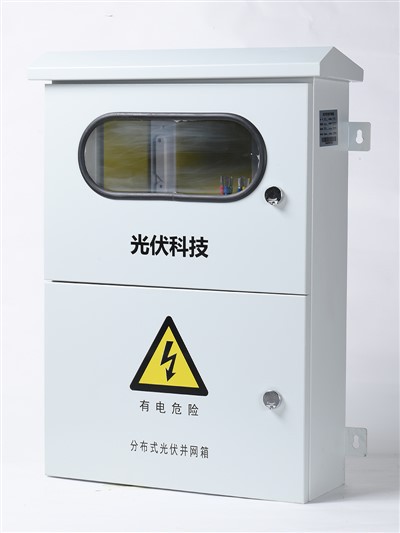
First, let’s break down what a standard meter box actually does. If you’re like most people, your meter box is that gray (or sometimes black) metal box on the side of your house where the utility company’s power meter sits, right? Inside, there are usually breakers, wires, and a seal that the utility guys don’t want you messing with. Its whole job is to house the utility meter and protect the incoming power line from weather, critters, and accidental damage. It’s not designed to handle the extra power that comes with a battery storage system—here’s where that matters.
Battery storage systems (think Tesla Powerwall, LG Chem, or even smaller off-grid setups) don’t just pull power from the grid—they send power back, too. That’s called “bidirectional power flow.” Standard meter boxes are built for unidirectional flow: power comes in from the grid, and that’s it. They can’t handle the heat or the extra electrical load from a battery inverter that’s feeding power back to the grid. I’ve had a couple electricians reach out last year saying they tried to use an old residential meter box for a 5kW battery setup, and within a month, the box’s wiring got too hot, tripped a breaker, and almost caused a small fire. Scary stuff, and totally avoidable.
But wait—don’t write off meter boxes entirely. Some modified meter boxes can work, but only if you’re dealing with a small, off-grid system or a setup that’s only connected to the grid for backup, not net metering. Net metering is when you sell excess battery power back to the utility, and that’s where the bidirectional issue comes up. If you’re just storing solar power for when the grid goes out, and you never send power back, a larger, heavy-duty meter box (not the little residential ones) might work—but only if it’s rated for the right voltage and ampacity. Ampacity is just a fancy word for how much current a wire or box can safely handle. Most standard residential meter boxes are rated for 100 or 200 amps. A small battery inverter might only need 30 or 50 amps, so that’s not a problem—but you have to make sure the box is made for electrical equipment that’s not just utility meters. A lot of people forget: regular meter boxes have internal parts that are sealed, so you can’t easily add an inverter or extra breakers inside. You’d have to modify the box, which means cutting holes, adding new wiring, and making sure it’s weatherproof. That’s not a job for a DIYer, either—need to be a licensed electrician here, trust me.
Now, let’s talk about the differences between a standard meter box and a battery-ready meter box (that’s the stuff we sell, by the way). A good battery-ready meter box is built for bidirectional power flow. It has extra space for the inverter, a disconnect switch (super important for safety, so you can shut off power if you need to work on the system), and thicker wiring that can handle the extra load. Also, these boxes are usually rated for 300 amps or more, which is enough for most home battery setups—even the bigger ones that power your fridge, AC, and electric car. Another big thing: utility companies care about this. If you use a standard meter box that’s not approved for bidirectional flow, your utility might not let you connect to the grid for net metering. They’ll flag it as a safety hazard, and that means no getting paid for the extra power your battery sends back. We’ve had customers come to us after getting stuck in that exact situation—they tried to save a few bucks on a used meter box, and now they can’t use their battery system to its full potential.
I get it, cost is a big factor. A standard residential meter box is way cheaper than a battery-ready one—like, half the price sometimes. But here’s the thing: if you cut corners here, you’re looking at more costs down the line. A friend of mine runs an electrical contracting business, and he told me last quarter he had three calls to fix fire damage from people who used regular meter boxes for batteries. The repairs cost each customer over $2,000, which is way more than the difference between a good battery box and a cheap standard one. Also, warranties: most battery storage systems come with a 10-year warranty, but if you use incompatible equipment (like a wrong meter box), the warranty will get voided. That’s a huge risk—you drop $10,000 on a battery, and one wrong part can make it useless.
Wait, let’s clear up a common myth: some people think you can just replace the meter and use the same box. No way. The utility meter is one part of the system—your meter box is the enclosure. Even if you get a bidirectional meter, the box itself still isn’t built for the extra equipment. I’ve seen guys try this, and the box’s metal walls started heating up because they couldn’t dissipate the heat from the inverter. That’s a fire waiting to happen. Battery inverters generate a lot of heat, and they need proper ventilation. Standard meter boxes are sealed tight to protect the utility meter, so there’s no airflow. A battery-ready meter box has vents or is made with materials that handle heat better.
Another angle: small businesses or commercial setups. If you’re a small shop with a 10kW battery, a standard meter box might work only if it’s a 3-phase box rated for the right load. But again, you have to check with the utility and a licensed electrician. Most commercial properties already have larger meter boxes, but they’re still not designed for battery storage. For example, a coffee shop I worked with last year tried to use their existing 200-amp meter box for a 7kW battery, and it tripped the main breaker during morning rush hour when they were using both the battery and solar. That cost them an hour of lost sales—about $800 in total. Not worth the save, right?
So, what’s the bottom line here? Can a meter box be used for battery storage? It depends. If it’s a very small, off-grid system with no grid connection, you might get away with modifying a heavy-duty meter box. But for most people—whether you’re a homeowner with a home battery or a small business owner—no, a standard meter box isn’t safe or functional for battery storage. You need a purpose-built battery-ready meter box. I know, I know—another purchase, but it’s the smart one. It’s rated for bidirectional power, has space for all the equipment you need, and is approved by most utilities. That means you can connect to the grid, get net metering, and not have to worry about fires or warranty issues.
Circuit Breaker Box Now, if you’re already in the middle of a project and wondering if your existing meter box works, or you’re shopping around for a proper battery-ready one, hit me up. I’ve been doing this long enough to tell you exactly what you need—no sales pitches, just straight talk. I don’t care if you buy from me or someone else, but I will warn you: don’t cut corners here. Your home, your business, and your battery system are worth protecting.
References
- U.S. Department of Energy. (2022). Battery Energy Storage System Safety Guidelines for Residential and Small Commercial Applications.
- National Electrical Manufacturers Association. (2021). Standards for Bidirectional Meter Enclosures and Meter Boxes.
- International Residential Code. (2020). Chapter 31: Electrical Equipment and Wiring for Alternative Energy Systems.
- North American Electric Reliability Corporation. (2023). Grid-Connected Battery Storage Interconnection Requirements.
- Electrical Safety Foundation International. (2022). Home Battery Storage Safety Tips for Electrical Equipment.
Shandong Qinghua Yike Electric Co., Ltd.
As one of the most experienced meter box manufacturers in China, we also support customized service. We warmly welcome you to buy durable meter box for sale here from our factory. If you have any enquiry about cooperation, please feel free to email us.
Address: No. 378 Taozhuang Village, Zaoyuan Town, Lanshan District, Linyi City, Shandong Province
E-mail: admin@sd-qhyk.com
WebSite: https://www.qhecobox.com/
