In the dynamic landscape of biopharmaceutical production, monoclonal antibodies (mAbs) have emerged as a revolutionary class of therapeutics, demonstrating remarkable efficacy in treating a wide array of diseases, including cancer, autoimmune disorders, and infectious diseases. As a leading provider of Host Cell Residual DNA Detection Kits, I am acutely aware of the critical role these kits play in ensuring the quality, safety, and efficacy of monoclonal antibody production. In this blog post, I will delve into the significance of host cell residual DNA detection in mAb production and explore how our detection kits can be effectively utilized for quality control. Host Cell Residual DNA Detection Kits

The Importance of Host Cell Residual DNA Detection in Monoclonal Antibody Production
Monoclonal antibodies are typically produced by culturing mammalian host cells, such as Chinese Hamster Ovary (CHO) cells, in bioreactors. During the production process, host cell DNA can be released into the culture medium due to cell lysis or other factors. Residual host cell DNA in the final mAb product can pose several risks, including immunogenicity, oncogenic potential, and interference with downstream processes.
- Immunogenicity: Host cell DNA can trigger an immune response in patients, leading to the production of antibodies against the DNA. This can potentially reduce the efficacy of the mAb therapy and cause adverse reactions.
- Oncogenic Potential: Some fragments of host cell DNA may contain oncogenes or other genetic elements that could potentially integrate into the patient’s genome and increase the risk of cancer.
- Interference with Downstream Processes: Residual host cell DNA can interfere with purification processes, such as chromatography and filtration, leading to reduced product yield and quality.
To mitigate these risks, regulatory agencies, such as the U.S. Food and Drug Administration (FDA) and the European Medicines Agency (EMA), have established strict guidelines for the acceptable levels of host cell residual DNA in biopharmaceutical products, including mAbs. These guidelines require manufacturers to implement robust quality control measures to monitor and control the levels of residual DNA throughout the production process.
How Host Cell Residual DNA Detection Kits Work
Our Host Cell Residual DNA Detection Kits are designed to provide a sensitive, specific, and reliable method for quantifying the amount of host cell residual DNA in mAb samples. The kits are based on quantitative polymerase chain reaction (qPCR) technology, which is widely recognized as the gold standard for DNA quantification.
- Sample Preparation: The first step in the detection process is to extract the DNA from the mAb sample. Our kits include all the necessary reagents and protocols for efficient DNA extraction, ensuring that the DNA is purified and ready for analysis.
- qPCR Amplification: Once the DNA is extracted, it is subjected to qPCR amplification using primers and probes specific to the host cell DNA sequence. The primers and probes are designed to bind to the target DNA sequence and amplify it exponentially during the PCR reaction.
- Detection and Quantification: During the qPCR reaction, the fluorescence signal generated by the probes is monitored in real-time. The amount of fluorescence is directly proportional to the amount of target DNA in the sample. By comparing the fluorescence signal of the sample to a standard curve, the amount of host cell residual DNA in the sample can be accurately quantified.
Benefits of Using Host Cell Residual DNA Detection Kits for Monoclonal Antibody Production Quality Control
There are several benefits of using our Host Cell Residual DNA Detection Kits for mAb production quality control:
- High Sensitivity: Our kits are capable of detecting very low levels of host cell residual DNA, down to picogram levels. This high sensitivity ensures that even trace amounts of residual DNA can be detected and quantified accurately.
- Specificity: The primers and probes used in our kits are highly specific to the host cell DNA sequence, ensuring that only the target DNA is amplified and detected. This specificity eliminates the risk of false positives and ensures the reliability of the results.
- Rapid and Efficient: The qPCR-based detection method used in our kits is rapid and efficient, allowing for the analysis of multiple samples in a short period of time. This high throughput capability makes it suitable for large-scale mAb production facilities.
- Compliance with Regulatory Requirements: Our kits are designed to meet the strict requirements of regulatory agencies, such as the FDA and the EMA. By using our kits, mAb manufacturers can ensure compliance with the regulatory guidelines and demonstrate the quality and safety of their products.
Case Studies: Real-World Applications of Host Cell Residual DNA Detection Kits in Monoclonal Antibody Production
To illustrate the practical applications of our Host Cell Residual DNA Detection Kits in mAb production quality control, let’s take a look at some real-world case studies:
- **Case Study 1: A large-scale mAb production facility was experiencing issues with product quality, including low yields and high levels of residual DNA. By implementing our Host Cell Residual DNA Detection Kits, the facility was able to identify the source of the problem and take corrective actions to improve the production process. As a result, the facility was able to reduce the levels of residual DNA in the final product and increase the product yield.
- **Case Study 2: A biotech company was developing a new mAb therapy for cancer. As part of the quality control process, the company used our Host Cell Residual DNA Detection Kits to monitor the levels of residual DNA in the mAb samples at different stages of the production process. The results showed that the levels of residual DNA were within the acceptable limits, ensuring the safety and efficacy of the mAb therapy.
Conclusion
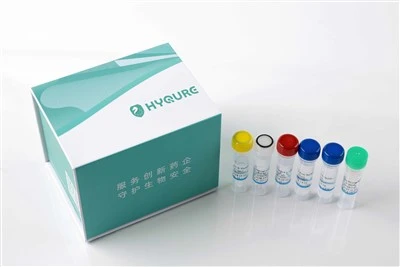
In conclusion, host cell residual DNA detection is a critical step in the quality control of monoclonal antibody production. Our Host Cell Residual DNA Detection Kits offer a sensitive, specific, and reliable method for quantifying the amount of host cell residual DNA in mAb samples. By using our kits, mAb manufacturers can ensure compliance with regulatory requirements, improve product quality, and reduce the risk of adverse events associated with residual DNA.
Safety Detection Kits If you are interested in learning more about our Host Cell Residual DNA Detection Kits or would like to discuss your specific needs for monoclonal antibody production quality control, please feel free to contact us. We look forward to the opportunity to work with you and help you achieve your quality control goals.
References
- European Medicines Agency (EMA). Guideline on the quality, non-clinical and clinical aspects of monoclonal antibodies. 2009.
- U.S. Food and Drug Administration (FDA). Points to consider in the manufacture and testing of monoclonal antibody products for human use. 1997.
- Mackay, I. M., Arden, K. E., & Nitsche, A. Real-time PCR in virology. Nucleic Acids Research, 30(6), 1292-1305. 2002.
HyQure Biotech Co., Ltd.
As a professional host cell residual DNA detection kits enterprise in China and Switzerland, we rely on international compliance standards, leverages excellent quality and technical strength. If you have any enquiry about cooperation, please feel free to email us.
Address: Building 18, Lane 2777 East Jinxiu Road, Pudong New Area, Shanghai 2.Stücki Park Hochbergerstr. 60 I, 4057 Basel Switzerland
E-mail: service@hyqure.com
WebSite: https://www.hyqure.com/
