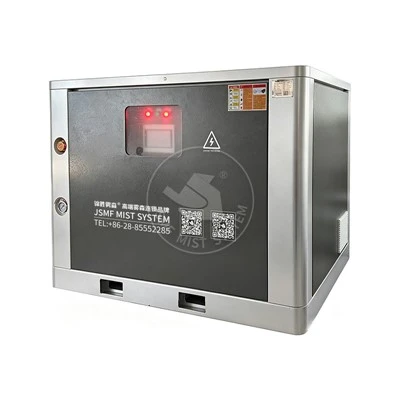
As a seasoned supplier in the field of industrial mist generators, I’ve witnessed firsthand the transformative impact these machines can have across a multitude of industries. In this blog post, I’ll delve into the inner workings of an industrial mist generator, exploring the science behind its operation, the key components involved, and the various applications that make it an indispensable tool in modern industrial settings. Industrial Mist Generator
The Basics of Mist Generation
At its core, an industrial mist generator is a device designed to create a fine mist or fog by dispersing liquid particles into the air. This process, known as atomization, is achieved through a variety of techniques, each with its own unique advantages and applications. The most common methods of atomization used in industrial mist generators include pressure atomization, ultrasonic atomization, and centrifugal atomization.
Pressure Atomization
Pressure atomization is one of the most widely used methods for generating mist in industrial applications. In this process, a liquid is forced through a small nozzle at high pressure, causing it to break up into tiny droplets. The size of the droplets produced by pressure atomization depends on several factors, including the pressure of the liquid, the size and shape of the nozzle, and the properties of the liquid itself.
One of the key advantages of pressure atomization is its ability to produce a wide range of droplet sizes, from very fine mist to larger droplets. This makes it suitable for a variety of applications, including humidification, cooling, dust suppression, and chemical spraying. Pressure atomization systems are also relatively simple and inexpensive to operate, making them a popular choice for many industrial users.
Ultrasonic Atomization
Ultrasonic atomization is a more advanced method of mist generation that uses high-frequency sound waves to create a fine mist. In this process, a liquid is placed in a container with a piezoelectric transducer, which vibrates at a high frequency to create ultrasonic waves. These waves cause the liquid to break up into tiny droplets, which are then ejected from the surface of the liquid as a mist.
One of the main advantages of ultrasonic atomization is its ability to produce a very fine mist with droplet sizes as small as a few micrometers. This makes it ideal for applications where a high level of precision and control is required, such as in the pharmaceutical, biotechnology, and semiconductor industries. Ultrasonic atomization systems are also relatively energy-efficient and produce little to no noise, making them a popular choice for indoor applications.
Centrifugal Atomization
Centrifugal atomization is another common method of mist generation that uses centrifugal force to break up a liquid into droplets. In this process, a liquid is fed into a rotating disk or cup, which spins at a high speed to create a centrifugal force. This force causes the liquid to be thrown off the edge of the disk or cup in the form of droplets, which are then dispersed into the air as a mist.
One of the key advantages of centrifugal atomization is its ability to produce a large volume of mist at a relatively low cost. This makes it suitable for applications where a high flow rate of mist is required, such as in large-scale cooling and humidification systems. Centrifugal atomization systems are also relatively simple and easy to maintain, making them a popular choice for many industrial users.
Key Components of an Industrial Mist Generator
Regardless of the method of atomization used, all industrial mist generators consist of several key components that work together to produce and distribute the mist. These components include a liquid supply system, an atomization mechanism, a control system, and a distribution system.
Liquid Supply System
The liquid supply system is responsible for storing and delivering the liquid to be atomized to the atomization mechanism. This system typically consists of a tank or reservoir to hold the liquid, a pump to transfer the liquid from the tank to the atomization mechanism, and a series of pipes and valves to control the flow of the liquid.
The size and capacity of the liquid supply system depend on the specific application and the amount of mist required. For small-scale applications, a simple gravity-fed system may be sufficient, while larger-scale applications may require a more complex pump-driven system.
Atomization Mechanism
The atomization mechanism is the heart of the industrial mist generator, responsible for converting the liquid into a fine mist. As discussed earlier, there are several different methods of atomization, each with its own unique advantages and applications. The specific atomization mechanism used in a particular mist generator depends on the requirements of the application, such as the desired droplet size, flow rate, and coverage area.
Control System
The control system is responsible for regulating the operation of the industrial mist generator, ensuring that it produces the desired amount of mist at the right time and in the right place. This system typically consists of a series of sensors, controllers, and actuators that work together to monitor and adjust the various parameters of the mist generator, such as the liquid flow rate, pressure, and temperature.
The control system can be either manual or automated, depending on the complexity of the application and the level of control required. Manual control systems are typically used for simple applications where the mist generator is operated on a fixed schedule, while automated control systems are used for more complex applications where the mist generator needs to be adjusted in real-time based on changing conditions.
Distribution System
The distribution system is responsible for delivering the mist produced by the atomization mechanism to the desired location. This system typically consists of a series of pipes, nozzles, and fans that work together to distribute the mist evenly over the target area.
The design of the distribution system depends on the specific application and the layout of the target area. For small-scale applications, a simple nozzle or sprayer may be sufficient, while larger-scale applications may require a more complex network of pipes and nozzles to ensure uniform coverage.
Applications of Industrial Mist Generators
Industrial mist generators have a wide range of applications across a variety of industries, including manufacturing, agriculture, food processing, and healthcare. Some of the most common applications of industrial mist generators include:
Humidification
One of the most common applications of industrial mist generators is humidification, which involves adding moisture to the air to maintain a comfortable and healthy environment. In industrial settings, proper humidification is essential for preventing static electricity, reducing dust and airborne particles, and protecting sensitive equipment and materials from damage.
Industrial mist generators are commonly used in manufacturing facilities, warehouses, and cleanrooms to maintain a consistent humidity level. They can also be used in commercial buildings, such as offices, hospitals, and schools, to improve indoor air quality and comfort.
Cooling
Another important application of industrial mist generators is cooling, which involves using the evaporation of water to reduce the temperature of the surrounding air. In industrial settings, cooling is essential for preventing overheating of equipment, improving worker comfort, and increasing productivity.
Industrial mist generators are commonly used in outdoor settings, such as sports arenas, theme parks, and agricultural facilities, to provide temporary cooling during hot weather. They can also be used in indoor settings, such as factories and warehouses, to supplement existing cooling systems and reduce energy costs.
Dust Suppression
Dust suppression is another important application of industrial mist generators, which involves using a fine mist of water to settle dust particles and prevent them from becoming airborne. In industrial settings, dust can pose a serious health hazard to workers and can also damage equipment and contaminate products.
Industrial mist generators are commonly used in mining, construction, and demolition sites to control dust emissions and protect workers and the environment. They can also be used in agriculture, food processing, and other industries to reduce dust and improve air quality.
Chemical Spraying
Industrial mist generators can also be used for chemical spraying, which involves applying a fine mist of chemicals to a surface or area to achieve a specific effect. In industrial settings, chemical spraying is commonly used for pest control, disinfection, and coating applications.
Industrial mist generators are commonly used in the agriculture, food processing, and healthcare industries to apply pesticides, herbicides, and disinfectants. They can also be used in the manufacturing industry to apply coatings and finishes to products.
Conclusion
In conclusion, industrial mist generators are versatile and effective tools that can be used in a wide range of applications across a variety of industries. By understanding the science behind their operation and the key components involved, you can make an informed decision about which type of industrial mist generator is best suited for your specific needs.
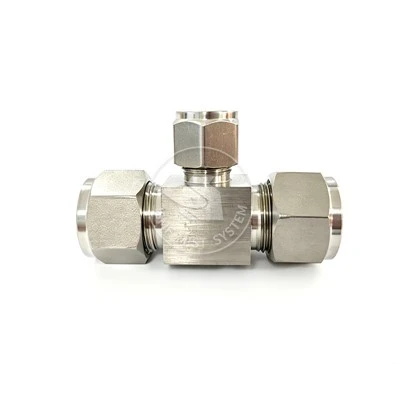
Pipe Fittings If you’re interested in learning more about our industrial mist generators or would like to discuss your specific requirements, please don’t hesitate to contact us. Our team of experts is ready to help you find the perfect solution for your application and provide you with the support and service you need to ensure your success.
References
- Jones, A. (2018). Industrial Mist Generation: Principles and Applications. New York: Wiley.
- Smith, B. (2019). The Science of Atomization: A Comprehensive Guide. London: Elsevier.
- Brown, C. (2020). Handbook of Industrial Humidification and Cooling. Berlin: Springer.
Jinsheng Mist Forest-High Pressure Mist System
Address: 109 Yonghong Road, Wenjiang District, Chengdu City, Sichuan Province, China
E-mail: 18190767523@163.com
WebSite: https://www.jswsmist.com/
