Adhesive patches have become an increasingly popular method for the delivery of medications and other substances through the skin. As a supplier of blank medicated adhesive patches, I often get asked about how these patches adhere to the skin. In this blog, I’ll delve into the science behind the adhesion of blank medicated adhesive patches, exploring the different types of adhesives used, the factors that affect adhesion, and some practical considerations for ensuring optimal performance. Blank Medicated Adhesive Patches

Types of Adhesives Used in Medicated Adhesive Patches
There are several types of adhesives commonly used in the manufacturing of medicated adhesive patches, each with its own unique properties and advantages.
Pressure-Sensitive Adhesives (PSAs)
Pressure-sensitive adhesives are the most widely used type of adhesive in medicated patches. These adhesives are designed to adhere to the skin upon application of light pressure and do not require any additional heat, solvent, or chemical activation. PSAs typically consist of a polymer matrix, which provides the adhesive properties, along with various additives such as tackifiers, plasticizers, and antioxidants to enhance performance.
The adhesion of PSAs to the skin is primarily due to intermolecular forces, such as van der Waals forces and hydrogen bonding. When the patch is applied to the skin, the adhesive molecules come into close contact with the surface of the skin cells, and these intermolecular forces create a strong bond between the patch and the skin. The strength of the bond depends on several factors, including the type and amount of adhesive used, the surface area of the patch, and the condition of the skin.
Hot-Melt Adhesives
Hot-melt adhesives are another type of adhesive used in some medicated patches. These adhesives are solid at room temperature and are melted by heat during the manufacturing process. Once melted, the adhesive is applied to the backing material of the patch, and it solidifies upon cooling, creating a strong bond.
Hot-melt adhesives offer several advantages, including fast setting times, high bond strength, and good resistance to moisture and chemicals. However, they can be more difficult to process than PSAs, and they may require specialized equipment for application. Additionally, the high temperatures used during the melting process can potentially damage heat-sensitive medications or other components of the patch.
Solvent-Based Adhesives
Solvent-based adhesives are less commonly used in medicated patches due to environmental and health concerns associated with the solvents. These adhesives consist of a polymer dissolved in a solvent, which evaporates upon application, leaving behind a thin layer of adhesive.
Solvent-based adhesives can provide strong adhesion and good compatibility with a wide range of medications and other substances. However, the use of solvents can pose risks to the environment and human health, and the manufacturing process requires proper ventilation and safety measures to prevent exposure to the solvents.
Factors Affecting Adhesion
The adhesion of blank medicated adhesive patches to the skin is influenced by several factors, both related to the adhesive itself and the condition of the skin.
Adhesive Properties
The properties of the adhesive, such as its tack, peel strength, and shear strength, play a crucial role in determining its adhesion to the skin. Tack refers to the ability of the adhesive to form an immediate bond upon contact with the skin, while peel strength measures the force required to remove the patch from the skin. Shear strength, on the other hand, refers to the ability of the adhesive to resist forces that cause the patch to slide or move on the skin.
The formulation of the adhesive can be adjusted to optimize these properties for different applications. For example, a patch designed for short-term use may require a high-tack adhesive to ensure quick and secure attachment, while a patch intended for long-term wear may need a higher peel and shear strength to prevent premature detachment.
Skin Condition
The condition of the skin also has a significant impact on the adhesion of medicated patches. Factors such as skin moisture, oiliness, and roughness can affect the ability of the adhesive to bond to the skin.
Dry skin can reduce the adhesion of the patch, as the lack of moisture can prevent the adhesive molecules from coming into close contact with the skin cells. On the other hand, excessively oily skin can create a barrier between the adhesive and the skin, reducing the strength of the bond. Skin roughness can also affect adhesion, as uneven surfaces may prevent the adhesive from making full contact with the skin.
Application Technique
The way the patch is applied to the skin can also affect its adhesion. It is important to apply the patch to clean, dry, and hairless skin to ensure optimal contact between the adhesive and the skin. The patch should be pressed firmly onto the skin for a few seconds to ensure that the adhesive adheres evenly.
Avoiding stretching or wrinkling the patch during application is also crucial, as this can create gaps between the adhesive and the skin, reducing the adhesion strength. Additionally, it is important to follow the manufacturer’s instructions regarding the application and removal of the patch to prevent damage to the skin or the patch.
Practical Considerations for Optimal Adhesion
As a supplier of blank medicated adhesive patches, I understand the importance of ensuring optimal adhesion for our customers. Here are some practical considerations for achieving the best results:
Skin Preparation
Before applying the patch, it is recommended to clean the skin with mild soap and water and pat it dry thoroughly. Avoid using lotions, oils, or other skin products immediately before applying the patch, as these can interfere with the adhesion.
Patch Placement
Choose a suitable location on the skin for patch application. Avoid areas with excessive hair, wrinkles, or skin folds, as these can affect the adhesion. The patch should be applied to a flat, smooth area of the skin for the best results.
Storage and Handling
Proper storage and handling of the patches are essential to maintain their adhesive properties. Store the patches in a cool, dry place away from direct sunlight and heat. Avoid exposing the patches to moisture or humidity, as this can degrade the adhesive.
Monitoring and Replacement
Regularly monitor the patch for signs of detachment or reduced adhesion. If the patch starts to come loose or if there are any signs of irritation or discomfort, remove the patch immediately and replace it with a new one.
Conclusion
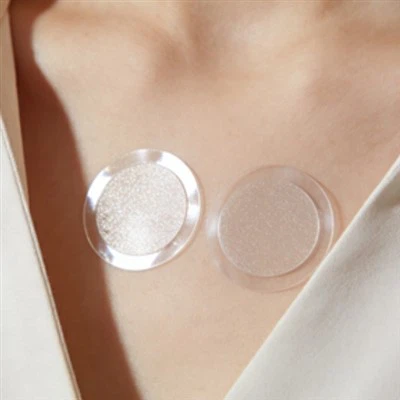
The adhesion of blank medicated adhesive patches to the skin is a complex process that depends on several factors, including the type of adhesive used, the properties of the adhesive, the condition of the skin, and the application technique. By understanding the science behind adhesion and taking practical steps to ensure optimal performance, we can provide our customers with high-quality patches that adhere effectively to the skin and deliver the desired therapeutic effects.
Medical Single-sided Adhesive Tape As a trusted supplier of blank medicated adhesive patches, we are committed to providing our customers with the best products and support. If you are interested in learning more about our products or would like to discuss your specific requirements, please do not hesitate to contact us. We look forward to the opportunity to collaborate with you and help you meet your needs.
References
- Osborne, D. W., & Henke, J. M. (2011). Transdermal drug delivery systems: Past, present, and future. Critical Reviews in Therapeutic Drug Carrier Systems, 28(4), 427-451.
- Guy, R. H., & Hadgraft, J. (Eds.). (2002). Transdermal drug delivery: Developmental issues and research initiatives. Marcel Dekker.
- Lee, V. H. L. (Ed.). (1991). Transdermal drug delivery: New directions and strategies. American Chemical Society.
Shenzhen Omori Biological Technology Co., Ltd.
We’re well-known as one of the leading blank medicated adhesive patches manufacturers and suppliers in China. We warmly welcome you to wholesale high quality blank medicated adhesive patches made in China here from our factory. If you have any enquiry about customized service, please feel free to email us.
Address: Floor4, No43, Langkou Industrial park, Dalang Street, Longhua District, Shenzhen City, Guangdong Province, China
E-mail: wya@omorimed.com
WebSite: https://www.omorimed.com/
