Acrylic watercolor paints have gained significant popularity in the art world due to their unique properties that combine the best of both acrylic and watercolor mediums. As a supplier of high – quality acrylic watercolor paints, I often encounter the question: Can acrylic watercolor paints be used on wood? In this blog, I will delve into the details of using acrylic watercolor paints on wood, exploring the possibilities, the process, and some tips to help you achieve the best results. Acrylic Watercolor Paints
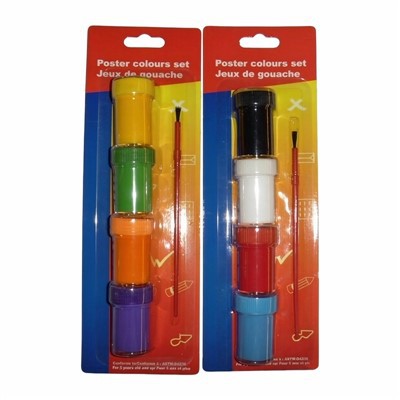
The Basics of Acrylic Watercolor Paints
Acrylic watercolor paints are a hybrid in the paint family. They share similarities with traditional watercolors in that they are water – based and can be diluted easily with water. This allows for a transparent and smooth wash effect, similar to what you would achieve with watercolor paints. At the same time, they have the durability and fast – drying properties of acrylic paints. Once dry, acrylic watercolor paints form a hard, flexible film that is resistant to water and fading.
Acrylic watercolor paints come in a wide range of colors, from vibrant primaries to earthy tones, providing artists with a rich palette to work with. They can be used for various art forms, including paintings, illustrations, and even crafts. Their versatility makes them an interesting option for woodworking projects as well.
The Suitability of Wood as a Surface for Acrylic Watercolor Paints
Wood is a natural and versatile material that has been used in art and craftsmanship for centuries. Different types of wood have different characteristics, such as grain pattern, porosity, and hardness. These factors can influence how well acrylic watercolor paints adhere to the wood surface.
- Porosity: Porous woods, like pine or cedar, absorb paint quickly. This can be both an advantage and a disadvantage when using acrylic watercolor paints. On one hand, the paint can soak into the wood, creating a more integrated look. On the other hand, too much absorption can lead to the paint losing its vibrancy and even causing the wood to warp if it gets too wet.
- Grain Pattern: The grain pattern of the wood can add an extra layer of texture and interest to the painted surface. Acrylic watercolor paints can be used to enhance or complement the grain, either by following its direction or creating a contrast.
- Hardness: Hardwoods, such as oak or maple, are less porous and have a smoother surface. They may require less paint to cover and can provide a more consistent base for the acrylic watercolor paint. However, the smoothness can sometimes make it more difficult for the paint to adhere, so proper surface preparation is crucial.
Preparing the Wood Surface
Before applying acrylic watercolor paints to wood, proper surface preparation is essential to ensure good adhesion and a long – lasting finish.
- Cleaning: Start by cleaning the wood surface thoroughly. Remove any dust, dirt, grease, or old paint using a mild detergent and water. Rinse the wood well and let it dry completely. You can also use a tack cloth to pick up any remaining particles.
- Sanding: Sand the wood to create a rough surface for better paint adhesion. Use fine – grit sandpaper (around 120 – 220 grit) to avoid creating deep scratches. Sand in the direction of the wood grain to prevent splintering. After sanding, wipe away the dust with a clean cloth.
- Priming: Depending on the type of wood and the desired result, you may choose to prime the wood. A clear acrylic primer can help seal the wood, prevent excessive paint absorption, and provide a more even surface for the paint. Apply the primer using a brush or a spray gun, following the manufacturer’s instructions. Let the primer dry completely before applying the acrylic watercolor paints.
Applying Acrylic Watercolor Paints on Wood
Once the wood surface is prepared, you can start applying the acrylic watercolor paints. Here are some steps and techniques to keep in mind:
- Dilution: Acrylic watercolor paints can be diluted with water to achieve different consistencies. For a more transparent wash effect, add more water. For a thicker, more opaque application, use less water. Start with a small amount of paint and gradually add water until you reach the desired consistency.
- Brushing Techniques: Use high – quality brushes suitable for acrylic paints. Different brush strokes can create different effects on the wood surface. For example, long, smooth strokes can be used to create a uniform base, while short, stippled strokes can add texture. Work in the direction of the wood grain for a more natural look.
- Layering: Acrylic watercolor paints can be layered to build up color and depth. Allow each layer to dry completely before applying the next one. This can prevent the colors from mixing and smudging. You can also use different colors in the layers to create interesting color combinations and effects.
- Blocking and Masking: If you want to create sharp edges or specific shapes in your design, you can use masking tape or stencils. Apply the tape or stencil to the wood surface before painting, and remove it carefully once the paint is dry.
Drying and Finishing
After applying the acrylic watercolor paints, it is important to let them dry properly. The drying time depends on factors such as the thickness of the paint, the humidity, and the temperature. Generally, acrylic watercolor paints dry quickly, but it is recommended to wait at least 24 hours before applying any additional coats or finishes.
Once the paint is dry, you may choose to apply a protective finish to the wood. This can enhance the durability of the paint job and give the wood a more polished look. There are several types of finishes available, including clear acrylic varnishes, shellacs, and urethanes. Choose a finish that is compatible with acrylic paints and follow the manufacturer’s instructions for application.
Tips for Using Acrylic Watercolor Paints on Wood
- Test on a Small Area: Before starting a large project, test the acrylic watercolor paints on a small, inconspicuous area of the wood. This can help you determine how the paint will interact with the wood and allow you to make any necessary adjustments to your technique.
- Control the Moisture: Since wood can be sensitive to moisture, try to avoid over – saturating the wood with water – based paints. Use a spray bottle to mist the paint instead of applying large amounts of diluted paint at once.
- Be Creative with Effects: Acrylic watercolor paints offer endless possibilities for creative effects on wood. You can experiment with techniques such as glazing, dry brushing, and sponging to create unique textures and patterns.
- Consider the End Use: Think about how the painted wood will be used. If it will be exposed to wear and tear, choose a more durable finish. If it is for a decorative piece, you may have more flexibility in your choice of paints and finishes.
Conclusion

In conclusion, acrylic watercolor paints can indeed be used on wood, offering a unique and versatile way to add color and artistry to wooden surfaces. By understanding the properties of the paint and the wood, properly preparing the surface, and using the right techniques, you can achieve beautiful and long – lasting results. Whether you are a professional artist, a woodworker, or a DIY enthusiast, acrylic watercolor paints can open up new creative avenues for your wood projects.
Painting Pigments As a supplier of top – quality acrylic watercolor paints, I am committed to providing you with the best products for your artistic endeavors. If you are interested in learning more about our acrylic watercolor paint range or would like to discuss your specific needs for wood projects, I invite you to reach out. Our team of experts is ready to assist you in making the right choices for your next art or woodworking project. Start exploring the possibilities of using acrylic watercolor paints on wood and let your creativity shine!
References
- Artincontext.org. Understanding Acrylic Paints.
- Woodworking magazines for information on wood properties and surface preparation.
- Manufacturer’s guides for acrylic watercolor paints and wood finishes.
Zhejiang Lanxi Haotian Stationery Co., Ltd.
We are one of the most reliable acrylic watercolor paints manufacturers and suppliers in China, specialized in providing high quality stationery products with low price. We warmly welcome you to buy bulk acrylic watercolor paints for sale here from our factory. Contact us for pricelist.
Address: No. 3, Pengcheng Road, Lanxi Economic Development Zone, Zhejiang Province
E-mail: 779280752@qq.com
WebSite: https://www.cnhtstationery.com/
