When it comes to ensuring workplace safety, choosing the right protective clothing is of paramount importance. As a supplier of protective clothing, I’ve witnessed firsthand the significance of this decision. In this blog, I’ll share my insights on how to select the most appropriate protective clothing for various work environments, drawing from my years of experience in the industry. Protective Clothing
Understanding the Hazards
The first step in choosing the right protective clothing is to identify the hazards present in the workplace. Different industries and job roles face unique risks, and protective clothing must be designed to mitigate these specific threats.
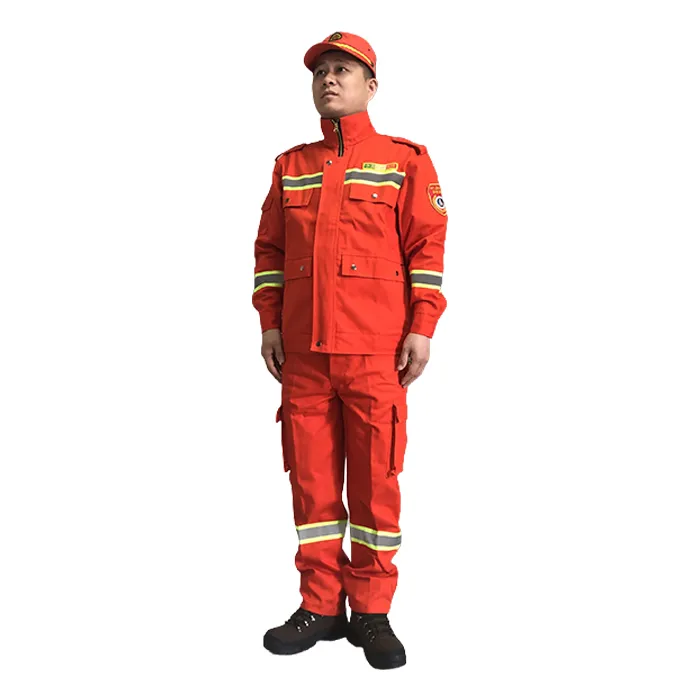
In the construction industry, for example, workers are exposed to a variety of hazards, including falls, impacts, and cuts. High – visibility clothing is essential to ensure that workers are easily seen on construction sites, especially in low – light conditions. In addition, protective vests, jackets, and pants made from abrasion – resistant materials can safeguard against cuts and scrapes. Helmets are also a must – have to protect against falling objects.
The chemical industry deals with hazardous substances such as acids, alkalis, and solvents. Protective suits made from chemical – resistant materials like neoprene, nitrile, or PVC are necessary to prevent skin contact with these dangerous chemicals. These suits should be impermeable to the specific chemicals used in the workplace and should cover the entire body, including the hands and feet.
In the healthcare sector, workers face the risk of exposure to infectious diseases, bloodborne pathogens, and bodily fluids. Disposable gowns, gloves, and masks are commonly used to protect healthcare professionals. Gowns should be fluid – resistant, gloves should be made from materials that can prevent punctures and tears, and masks should provide adequate filtration to protect against airborne particles.
Compliance with Standards
Once you have identified the hazards, it’s crucial to ensure that the protective clothing you choose complies with relevant safety standards. Standards are established to ensure the quality, performance, and safety of protective clothing.
In the United States, the Occupational Safety and Health Administration (OSHA) sets standards for workplace safety, including requirements for protective clothing. The National Fire Protection Association (NFPA) also develops standards for flame – resistant clothing, which is commonly used in industries such as oil and gas, electrical work, and firefighting.
In Europe, the European Committee for Standardization (CEN) is responsible for developing standards for protective clothing. Products that meet these standards are marked with the CE symbol, indicating compliance with European safety requirements.
When purchasing protective clothing, always look for products that are certified to meet the appropriate standards. This ensures that the clothing has been tested and meets the necessary safety criteria.
Comfort and Fit
While safety is the primary concern, comfort and fit should not be overlooked. Workers are more likely to wear protective clothing consistently if it is comfortable and fits well. Ill – fitting clothing can restrict movement, cause discomfort, and even pose a safety risk.
When selecting protective clothing, consider the body type and size of the workers. Most manufacturers offer a range of sizes to accommodate different body shapes. It’s also important to choose clothing that allows for a full range of motion. For example, in a job that requires a lot of bending, reaching, and lifting, clothing should not be too tight or restrictive.
In addition to size, the fabric of the protective clothing can also affect comfort. Breathable materials are ideal, especially for jobs that require long – term wear. For example, in hot and humid work environments, clothing made from moisture – wicking fabrics can help keep workers cool and dry.
Durability and Maintenance
Protective clothing is an investment, and it’s important to choose products that are durable and easy to maintain. Durable clothing will last longer, reducing the need for frequent replacements.
Look for clothing that is made from high – quality materials and has strong seams and closures. Reinforced areas in high – stress zones can also increase the durability of the clothing. For example, in work boots, reinforced toes and heels can withstand the rigors of daily use.
Maintenance is also a key factor. Some protective clothing may require special cleaning or storage procedures. For example, chemical – resistant suits may need to be decontaminated after each use. Make sure to follow the manufacturer’s instructions for cleaning and maintenance to ensure the continued effectiveness of the clothing.
Cost – Effectiveness
While it’s important to invest in high – quality protective clothing, cost is also a consideration for many businesses. However, it’s essential to balance cost with quality and safety. Cheaper protective clothing may not provide adequate protection, which can lead to costly workplace injuries and illnesses.
When evaluating the cost – effectiveness of protective clothing, consider the long – term costs. A more expensive but durable and high – performing product may actually be more cost – effective in the long run, as it will require less frequent replacement. Additionally, investing in quality protective clothing can help reduce the risk of workplace accidents and associated costs, such as medical expenses and lost productivity.
Supplier Assessment
As a protective clothing supplier, I understand the importance of a reliable supplier. When choosing a supplier, look for a company with a good reputation in the industry. A reputable supplier will offer high – quality products, excellent customer service, and reliable delivery.
Check for certifications and accreditations that demonstrate the supplier’s commitment to quality and safety. A supplier that adheres to strict quality control measures is more likely to provide products that meet or exceed industry standards.
In addition, consider the supplier’s product range. A supplier that offers a wide variety of protective clothing can provide a one – stop – shop solution for your business, making it easier to source all the necessary protective gear.
Conclusion
Choosing the right protective clothing is a complex process that requires careful consideration of various factors, including hazards, standards, comfort, durability, cost – effectiveness, and supplier reliability. By taking the time to evaluate these factors, you can select protective clothing that provides optimal safety and comfort for your workers.
Water Fire Extinguishing Equipment If you’re in the process of choosing protective clothing for your business, I encourage you to reach out for a consultation. As a trusted supplier in this field, I have the expertise and a wide range of products to meet your specific needs. Whether you’re in construction, chemical, healthcare, or any other industry, I’m here to help you make the right choice for your workplace safety.
References
- Occupational Safety and Health Administration (OSHA). (Various publications). Standards and guidelines for workplace safety.
- National Fire Protection Association (NFPA). (Standards). Standards for flame – resistant clothing.
- European Committee for Standardization (CEN). (Standards). European standards for protective clothing.
Zhenjiang Linhao Forest Fire Prevention Equipment Co., Ltd.
Zhenjiang Linhao Forest Fire Prevention Equipment Co., Ltd. is one of the most reliable manufacturers and suppliers of protective clothing in China, featured by quality products and low price. Please rest assured to wholesale customized protective clothing from our factory. Contact us for quotation and free sample.
Address: No.16,Fenghuangshan Road, Runzhou District, Zhenjiang City, Jiangsu Province
E-mail: lh@lhfirefighting.com
WebSite: https://www.lhfirefighting.com/
